

5 Ways Sports Medicine Podiatry Helps You Recover

October 12, 2026

Sports medicine in podiatry helps athletes and active adults recover from foot and ankle injuries with targeted diagnosis, personalized treatment, and injury prevention. A podiatrist can assess how you move, identify the source of pain, and combine therapy, support devices, and activity guidance to help you return to exercise safely and confidently.

Podiatrist evaluating an athlete’s foot and ankle

What does sports medicine in podiatry treat?

Sports medicine in podiatry focuses on injuries and movement problems affecting the foot, ankle, and lower leg. It is useful for competitive athletes, recreational exercisers, runners, dancers, and anyone whose activities cause recurring pain or limited mobility.

Common concerns include:

  • Sprains, strains, and stress fractures
  • Achilles tendon and other tendon injuries
  • Plantar fasciitis and heel pain
  • Shin pain and overuse injuries
  • Ankle instability and recurring injuries
  • Running-related pain and biomechanical problems

Treatment is not limited to surgery. Depending on the injury, care may include activity modification, physical therapy, bracing, custom orthotics, medication, shockwave therapy, or a gradual return-to-sport plan. Explore Sports Medicine to learn more about treatment options at Carmel Foot Specialists.

How can a podiatrist help you recover from a sports injury?

A podiatrist looks beyond the painful area. Your foot and ankle affect your stride, balance, alignment, and ability to absorb impact. A detailed evaluation can reveal whether footwear, muscle weakness, limited flexibility, or an altered gait is contributing to the injury.

1. Accurate diagnosis identifies the real problem

Pain alone does not always show the full extent of an injury. A podiatric sports medicine evaluation may include a physical examination, medical history, movement assessment, and imaging when appropriate. X-rays can help evaluate bones, while other diagnostic approaches may help identify soft-tissue or overuse concerns.

At Carmel Foot Specialists, X-rays in Facility can make evaluation more convenient. Early diagnosis matters because continuing to train through an undiagnosed injury may worsen tissue damage or prolong recovery.

2. Gait analysis finds movement patterns that cause stress

A gait assessment examines how your feet and legs move while walking or running. It may identify excessive inward rolling, uneven pressure, poor shock absorption, or an imbalance between the two sides of your body.

A Computerized Gait Analysis can provide detailed information about pressure and motion. Your clinician may use those findings to recommend footwear changes, exercises, orthotics, or adjustments to your training routine.

Athlete completing a computerized gait analysis in a podiatry clinic

3. Personalized treatment supports a safer return to activity

Recovery plans should reflect your injury, sport, schedule, and goals. A recreational runner may need a different plan from a basketball player or someone training for a marathon.

A personalized plan may include:

  • Temporary changes to mileage, intensity, or impact
  • Stretching and strengthening exercises
  • Physical therapy and gait training
  • A brace, walking boot, or other support when appropriate
  • A staged return to exercise based on symptoms and function

The goal is not simply to reduce pain. It is to restore strength, mobility, balance, and confidence before you resume demanding activity. Learn about Physical Therapy & Gait Training for additional support during rehabilitation.

4. Orthotics and footwear can improve alignment and comfort

Footwear influences how force travels through your feet and legs. Shoes that are worn out, unsupportive, or poorly matched to your activity can contribute to repeated irritation.

Custom orthotics may help redistribute pressure, improve alignment, or provide support during walking and exercise. They are not necessary for every injury, but a podiatrist can determine whether they fit your needs. Orthotics/Braces/Shoes On-Site may help you compare supportive options during your care.

When should you see a podiatrist for sports injury pain?

Consider scheduling an evaluation when pain:

  • Prevents normal walking, running, or training
  • Persists despite rest or basic home care
  • Returns each time you resume activity
  • Causes swelling, bruising, weakness, or instability
  • Develops suddenly after a twist, fall, or impact

Seek prompt medical attention for severe pain, an obvious deformity, inability to bear weight, significant swelling, numbness, or an open wound. Delaying care can make some injuries harder to treat.

A sports injury does not need to be dramatic to deserve attention. Repeated soreness may signal an overuse problem, and addressing it early can help you avoid a longer interruption later.

Recovery strategies that complement professional care

Professional evaluation is central to recovery, but daily habits also matter. Follow your clinician’s instructions and avoid increasing activity simply because pain temporarily improves.

Helpful strategies may include:

  1. Use relative rest. Reduce painful impact while maintaining safe movement if approved.
  2. Follow rehabilitation exercises. Consistency is often more valuable than occasional intense sessions.
  3. Wear activity-appropriate shoes. Replace footwear when cushioning or stability has noticeably declined.
  4. Increase training gradually. Avoid sudden changes in distance, speed, hills, or workout frequency.
  5. Track symptoms. Note when pain appears, what makes it better, and whether function is improving.

Treatments such as Shockwave Therapy may be considered for selected chronic conditions. Your podiatrist can explain whether that approach is appropriate for your diagnosis.

Runner stretching beside a track as part of a guided recovery plan

How long does recovery take?

Recovery time depends on the injury, its severity, your overall health, and how closely you follow the treatment plan. A mild strain may improve within weeks, while a stress fracture, tendon injury, or surgery may require several months.

Pain relief is only one recovery measure. You should also regain normal strength, range of motion, balance, and sport-specific function. Returning too soon may increase the chance of reinjury. Your podiatrist can help establish practical milestones for walking, low-impact exercise, running, and full participation.

Can sports medicine prevent future foot and ankle injuries?

Yes. Prevention begins by identifying why an injury occurred. A podiatrist may review your training load, footwear, work demands, previous injuries, flexibility, strength, and movement mechanics.

Prevention recommendations can include:

  • Warming up before intense exercise
  • Building training volume gradually
  • Strengthening the feet, ankles, calves, and hips
  • Alternating high-impact workouts with lower-impact activities
  • Replacing worn athletic shoes
  • Addressing pain before it changes your movement

If you have a previous fracture or sprain, review Fractures & Sprains for information about evaluation and care.

Choosing the right recovery plan

The most effective plan is the one that matches your diagnosis and real-life goals. During an appointment, ask what is causing the problem, which activities are safe, what warning signs to watch for, and how progress will be measured.

Carmel Foot Specialists provides comprehensive foot and ankle care for active adults in Charlotte, NC. The team combines clinical evaluation, modern diagnostic tools, rehabilitation guidance, and surgical or non-surgical treatment when appropriate. Visit Contact to request an appointment or New Patients to prepare for your first visit.

Key takeaways

Sports medicine in podiatry can help you recover by diagnosing the injury, evaluating gait and alignment, creating a personalized rehabilitation plan, and reducing the risk of recurrence. It is especially valuable when pain persists, returns with activity, or affects your ability to walk or exercise. Do not train through worsening symptoms. Schedule an evaluation, follow a gradual return-to-activity plan, and use recommended footwear, exercises, or support devices consistently. The next step is to compare your symptoms and goals with professional guidance so you can return to movement safely and confidently.

Professional podiatrist showing custom orthotic insert to a patient
July 21, 2026
Discover the top benefits of custom orthotics for foot pain relief, posture, and mobility. Learn how personalized inserts outperform store-bought options in Charlotte.
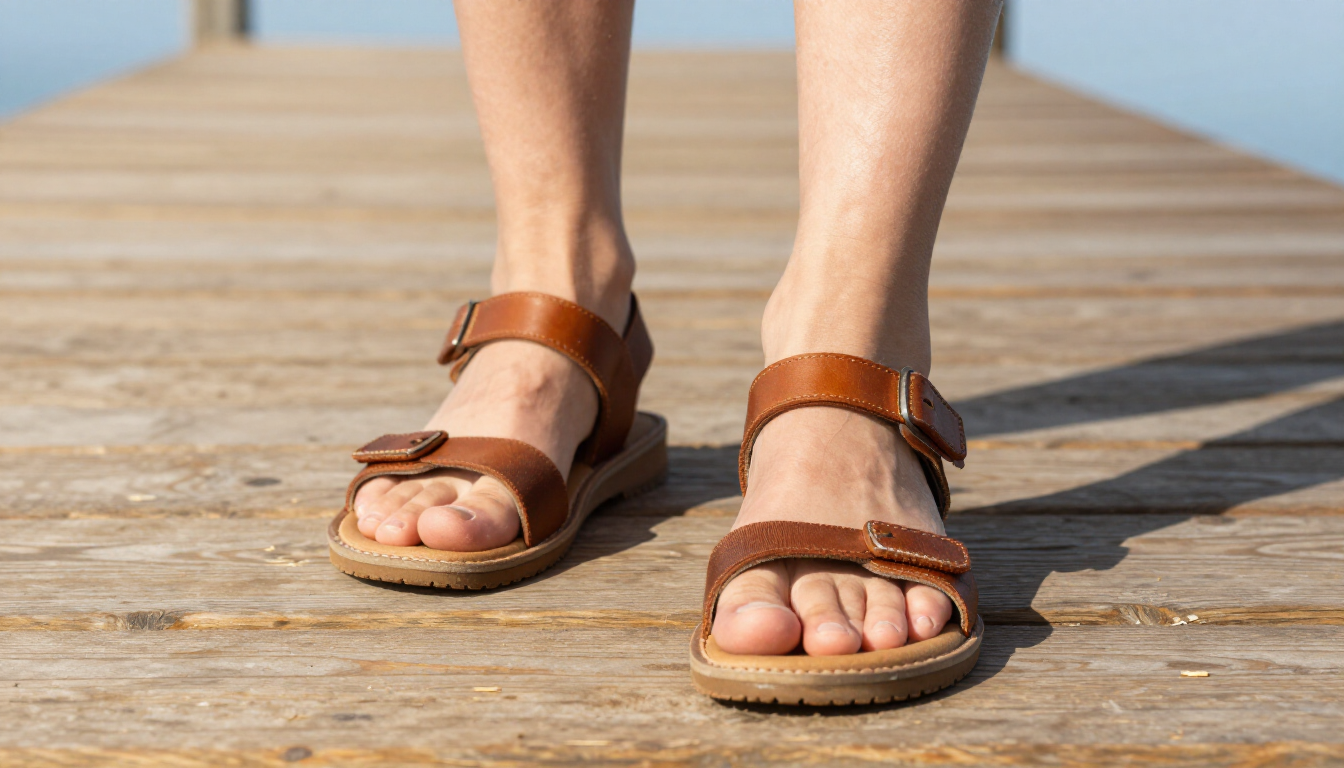
A person walking comfortably in summer sandals on a sunny boardwalk.
June 18, 2026
Discover essential summer foot care tips to prevent pain, infections, and injuries during hot weather. Keep your feet healthy and active all season long!

By VIV Builder • April 9, 2026
Keep your feet healthy and pain-free this Foot Health Awareness Month. Learn about heel pain, orthotics, diabetic care, and injury treatment to stay active.
By VIV Builder • March 17, 2026
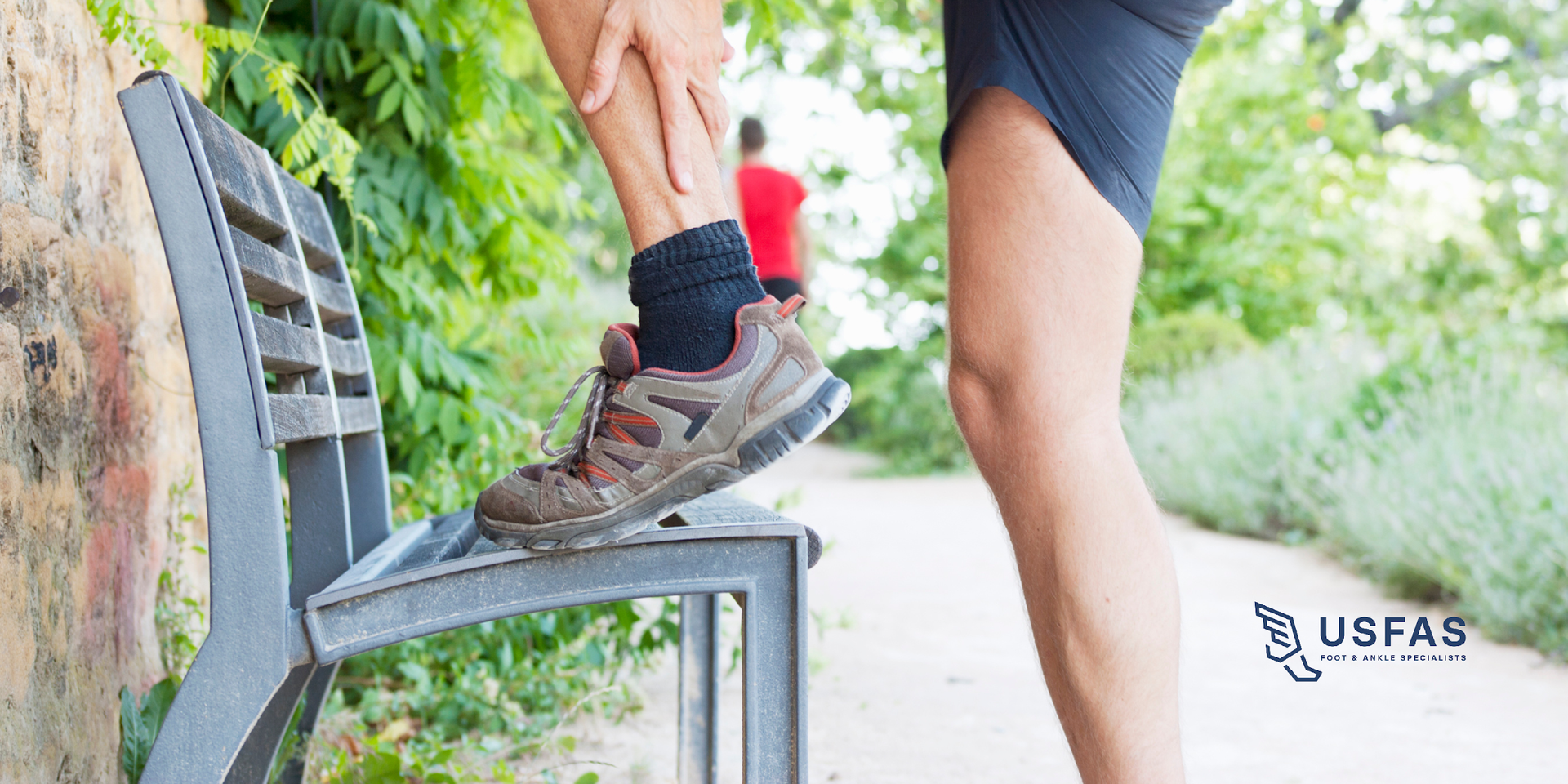
Achilles tendonitis can cause heel pain and stiffness that worsens over time. Learn the symptoms, causes, and how podiatry care can help you recover and stay active.
By VIV Builder • March 1, 2026
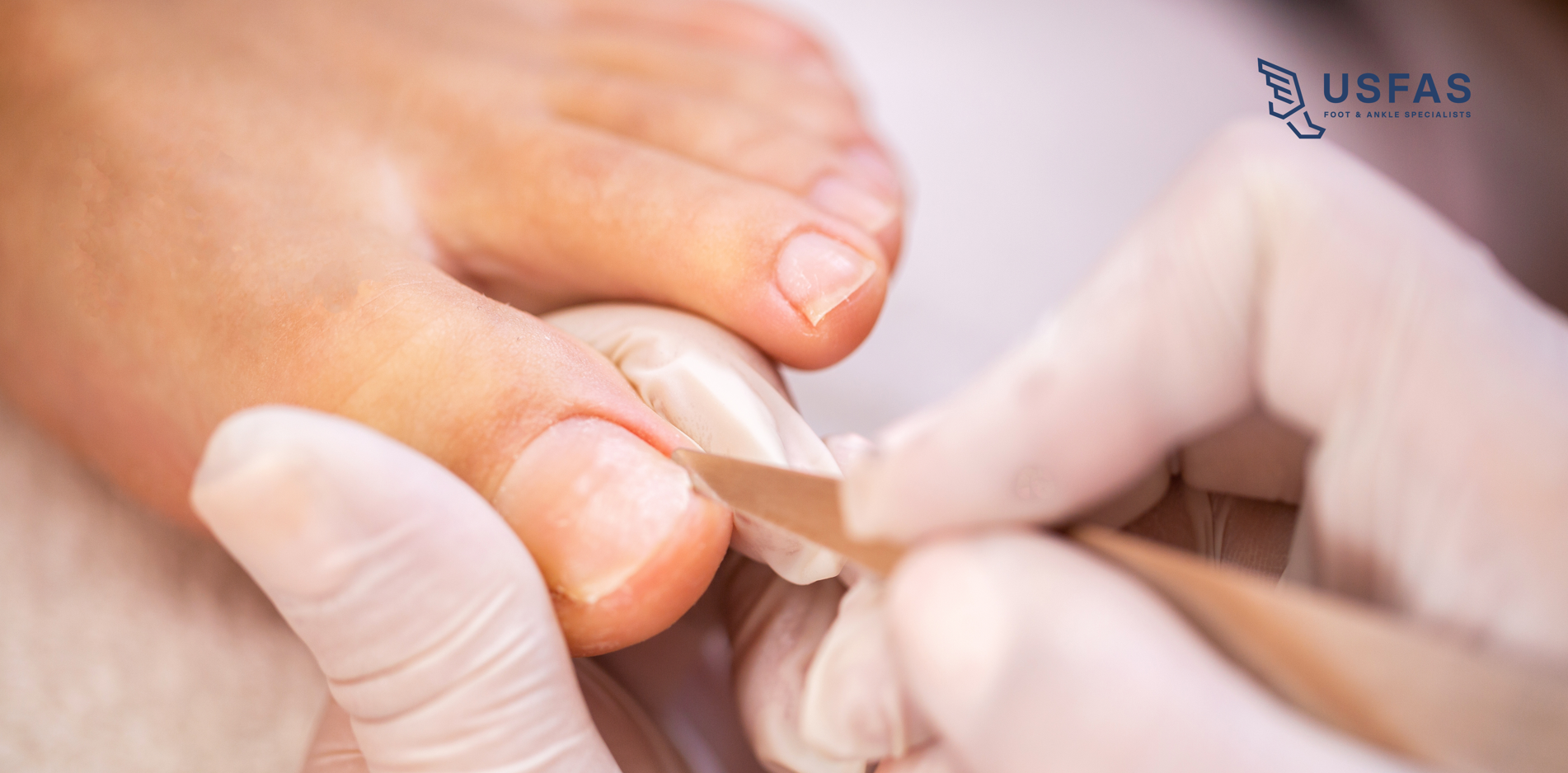
Ingrown toenails can quickly become painful if left untreated. Learn causes, symptoms, and how podiatry care can provide safe, effective relief and prevention.
By VIV Builder • February 19, 2026
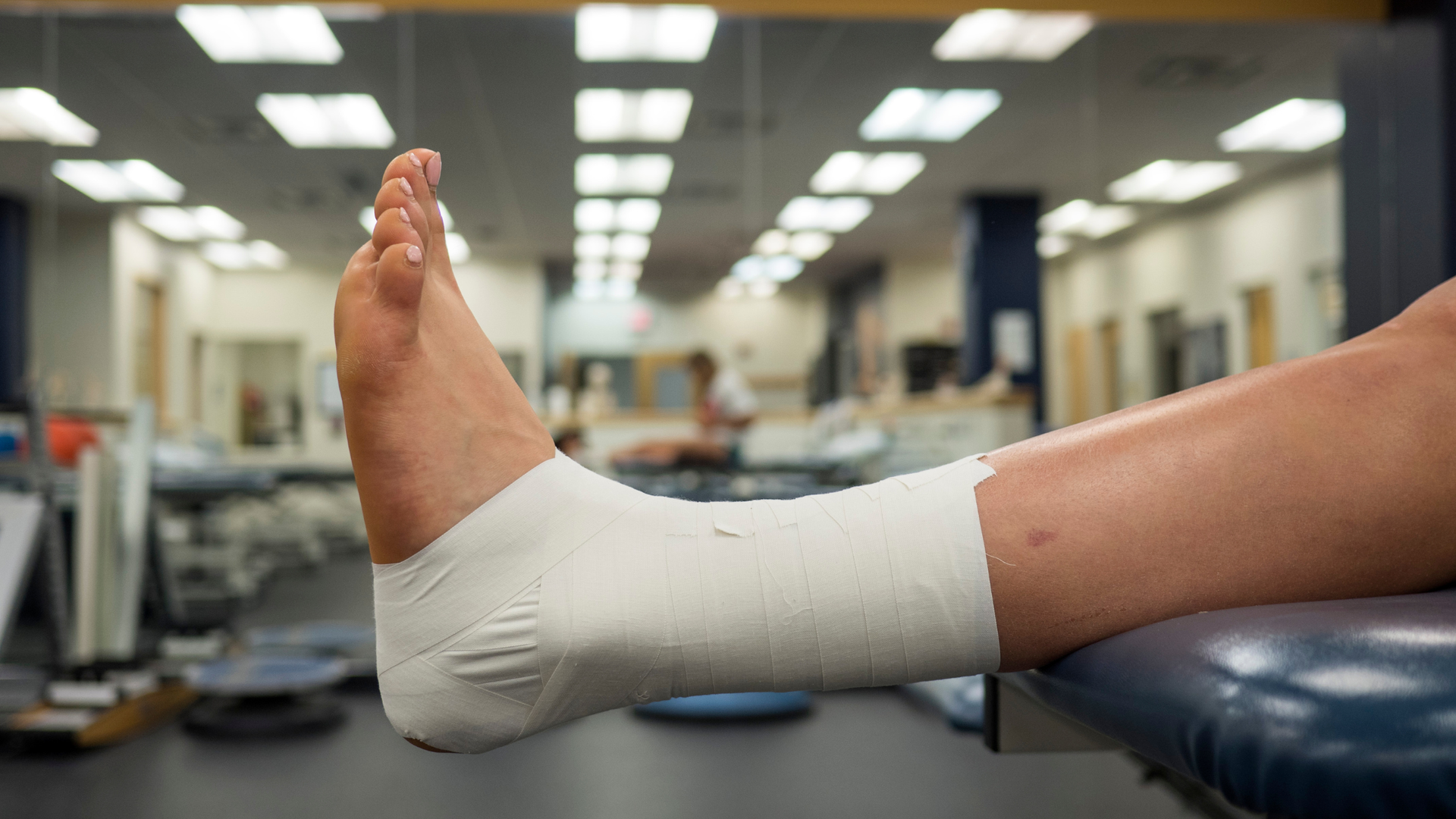
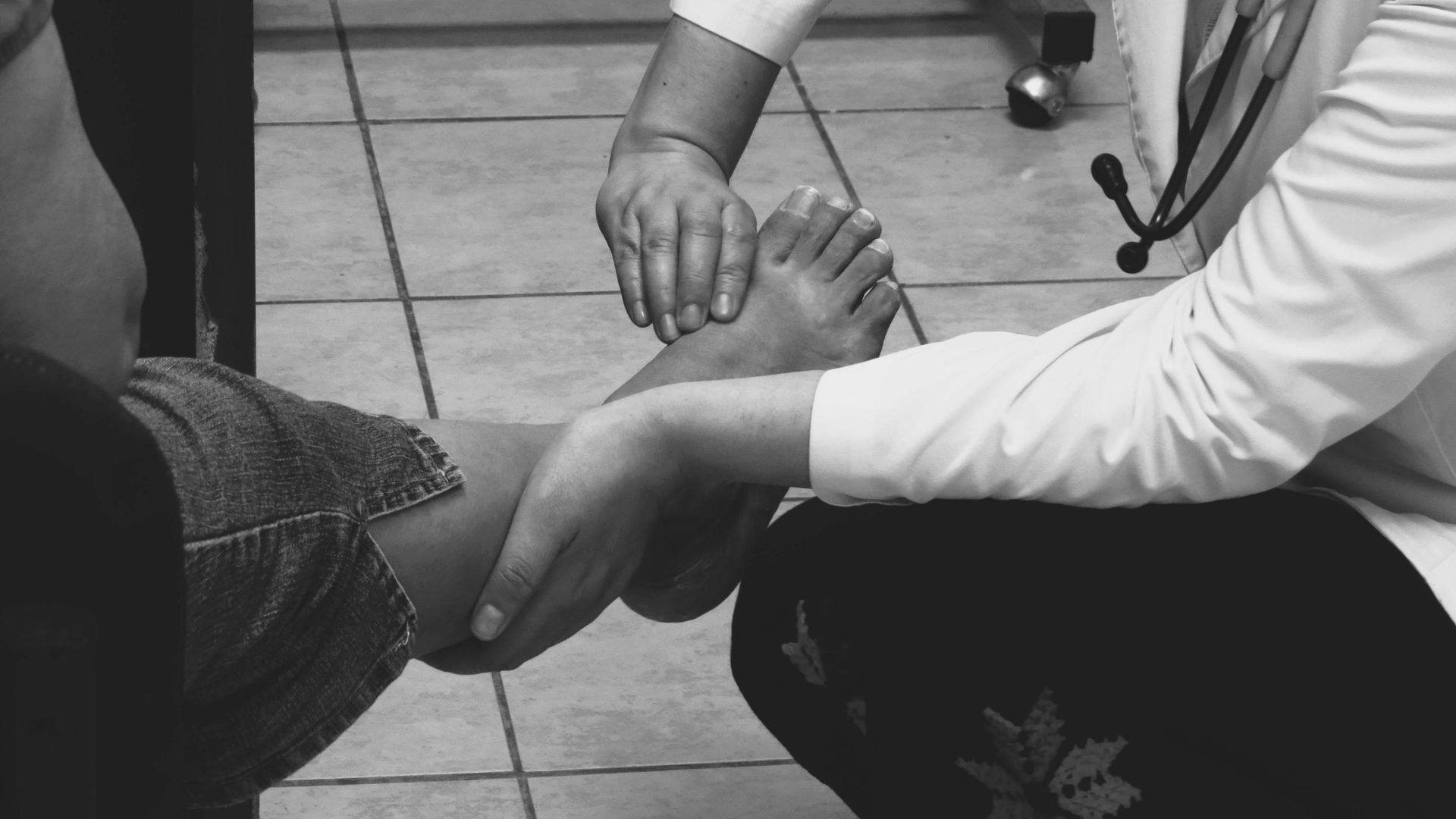
Don’t ignore an ankle sprain. Learn symptoms, causes, and why early treatment is key to preventing long-term pain and instability with expert podiatry care.
By VIV Builder • February 5, 2026
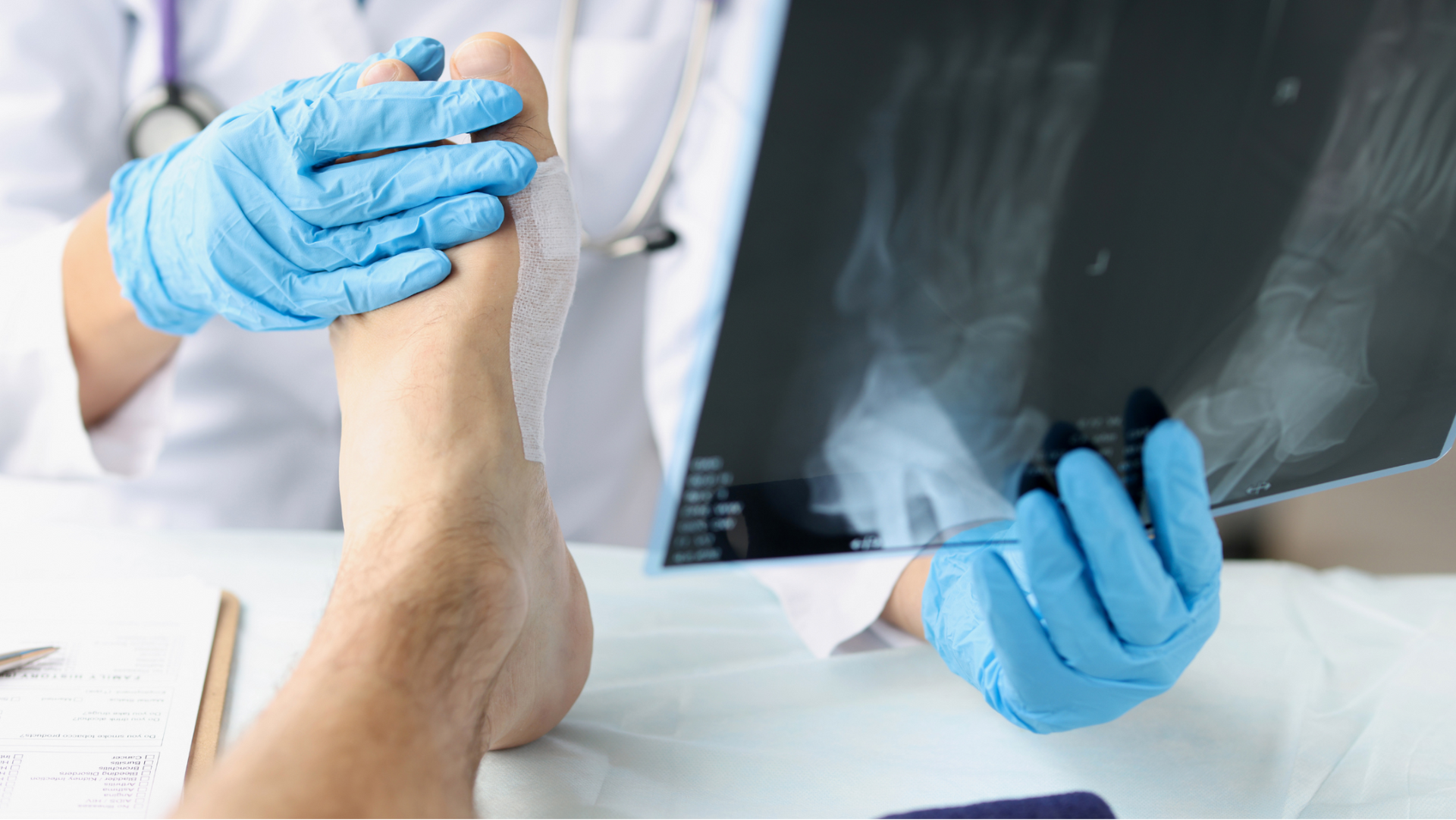
Show your feet some love this February. Learn about common foot problems like heel pain, ingrown toenails, and diabetic foot care, and how podiatry treatment can help.
By VIV Builder • January 23, 2026
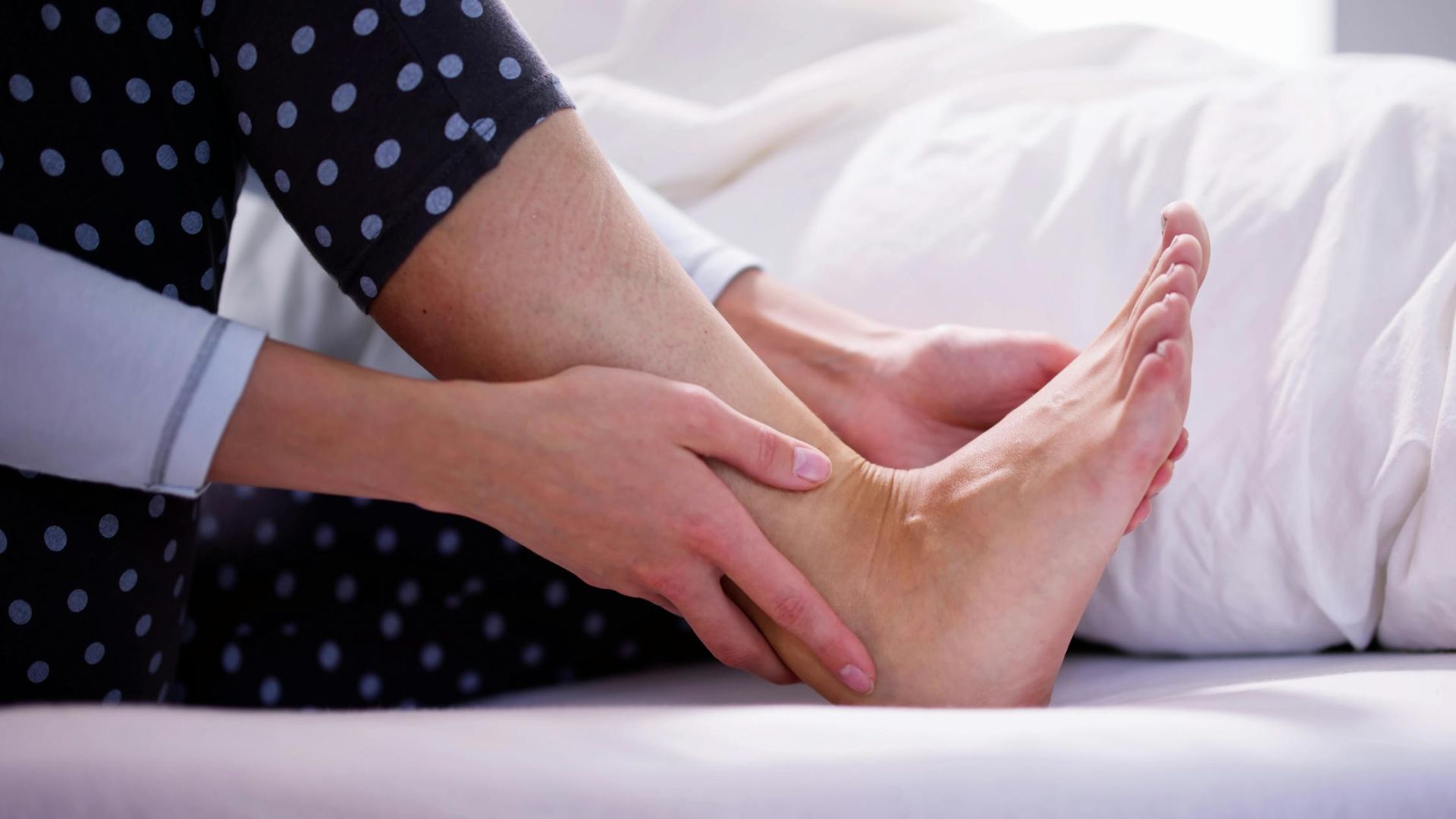
Learn what a podiatrist does and how they can help treat foot and ankle conditions. Discover when to seek care and how to stay active, pain-free, and healthy.
By VIV Builder • January 9, 2026
Start the new year pain-free by addressing heel pain early. Learn common causes like plantar fasciitis and how podiatry care can help you stay active and comfortable.

By VIV Builder • December 18, 2025
Start 2026 on the right foot with expert podiatry care. Learn how to prevent foot pain, improve mobility, and stay active with comprehensive exams and treatment options.

Show More